
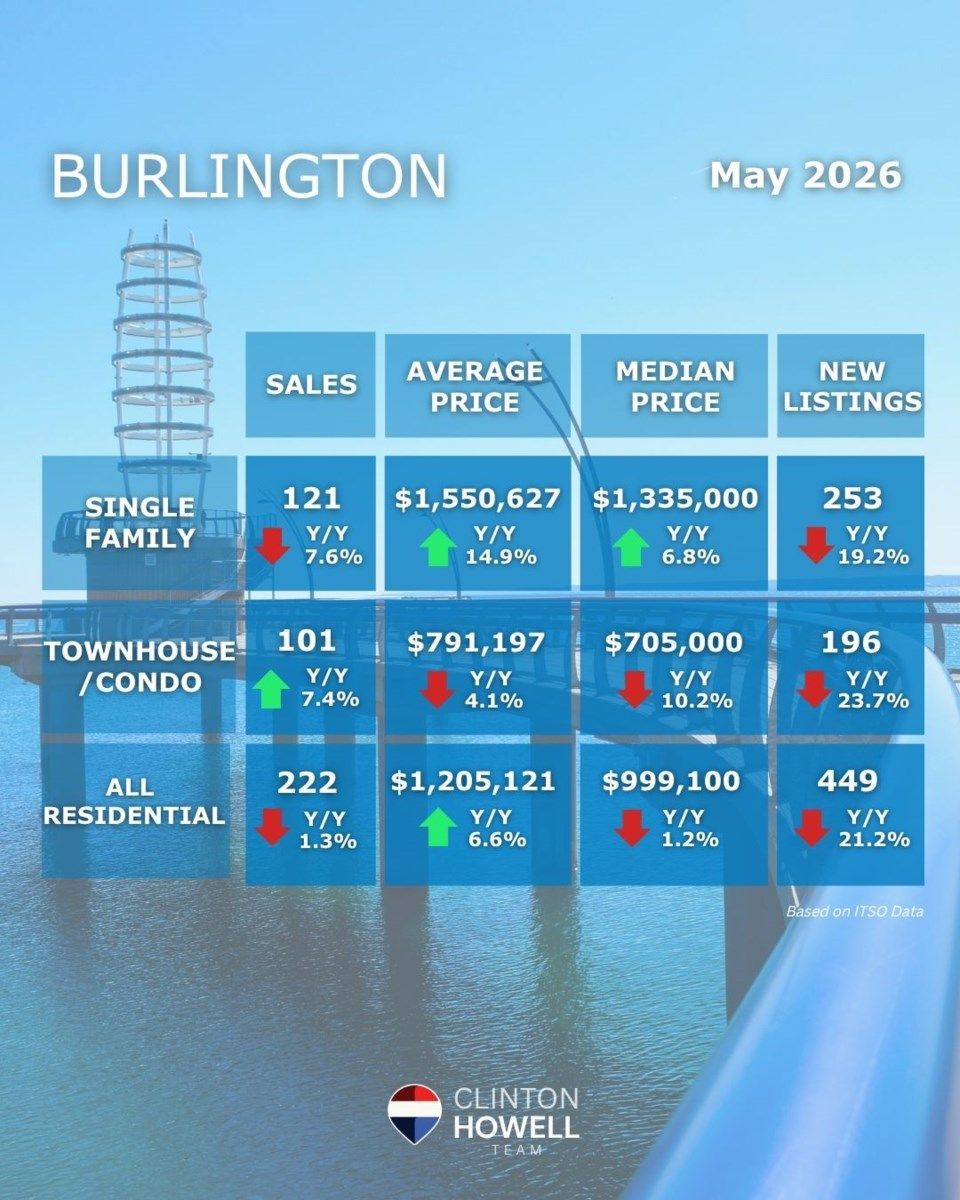
Retiring soon? How to determine if your home is still right for grandkids, family, and your life ahead, with RE/MAX Escarpment Broker Clinton Howell — plus the May market update.
TL;DR
Downsizing at retirement sounds logical, but it’s not always the right call. Before making a move, homeowners should think carefully about their lifestyle, family needs, and finances over the next 5–10 years — not just today.

Don’t Let Retirement Trigger a Rushed Decision
There’s no shortage of messaging pushing pre-retirees toward downsizing. Ads for rightsizing companies and new long-term care facilities are everywhere — but what’s missing from the conversation is whether downsizing actually makes sense right now for your specific situation.
“The question is, does it make sense to downsize now or to remain in their current home for the next 5–10 years?” says Clinton Howell, Broker with RE/MAX Escarpment Realty Inc. Clinton has had this conversation hundreds of times. Many homeowners begin mulling it over years before they actually make a move, often motivated by the desire to reduce maintenance, simplify their lifestyle, lower expenses, and free up time and money for travel.
Those are all valid reasons — but they’re only part of the picture.
Think 10 Years Out, Not Just Next Year
One of the most common mistakes pre-retirees make is planning for the life they have right now rather than the life that’s coming. Retirement tends to reshape priorities quickly and unexpectedly.
Adult children might need temporary housing while establishing their careers. Grandchildren could arrive, suddenly making extra bedrooms and a backyard feel essential rather than excessive. Family gatherings, holidays, and celebrations may take on a new significance once work is no longer filling the calendar.
“People tend to envision travelling and simplifying their lives, but once grandchildren come along, priorities often shift. People need to be thinking, ‘What do the retirement years look like?’ and not jump the gun.” — Clinton Howell, Broker, RE/MAX Escarpment Realty
Staying put also has its own merits. Your current home may already fit your lifestyle well, and avoiding a move means sidestepping the financial costs and emotional stress of selling, buying, and settling somewhere new. Deep connections to a neighbourhood and community carry real value that’s easy to underestimate until it’s gone.
The Financial Side: More Complex Than It Looks
Downsizing is often framed purely as a financial win — but the math isn’t always straightforward. Moving costs, legal fees, land transfer taxes, and potentially higher property taxes on a newer build can erode the expected savings significantly. If you’re moving into a condo, monthly maintenance fees can rival or exceed what you’re currently spending.
On the other hand, many homeowners have the majority of their wealth tied up in their property. If liquid savings are limited and retirement income needs a boost, unlocking home equity may genuinely be the right move.
Deferred maintenance is another factor. Older homes can carry looming costs — roofs, windows, furnaces — that aren’t optional. “You can hold off on putting in a new kitchen, but you can’t hold off on a roof that’s leaking,” Clinton points out.
Signs It Might Be Time to Downsize
- Home maintenance has become overwhelming and hiring it out isn’t financially sustainable long-term
- Large portions of the home sit unused and simply add to cleaning and upkeep
- Housing costs are actively preventing travel or other retirement priorities
- The layout no longer accommodates changing physical needs
- The bulk of your savings are locked in the home’s equity rather than generating income
Modifications like stair lifts or single-person elevators can extend a home’s usefulness — but only if the broader costs remain manageable over time.
Instead of asking “Is my house too big?” try asking: “Does this home support the life I want to have over the next decade?”
Downsizing is a lifestyle decision first and a real estate transaction second. The right answer will look different for every family — and it deserves careful, unhurried consideration. As Clinton puts it, the last thing you want is to make a change and regret it two years down the road.